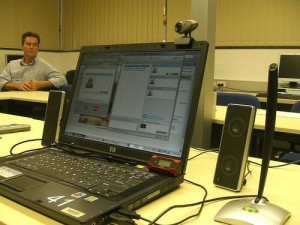
A well-performing virtual team makes effective use of a wide range of collaboration tools. After the various forms of communication discussed in my last post, any self-respecting virtual project team must have access to a decent desktop sharing tool. In the past few years, the options and quality available here have grown significantly. To work well for a virtual team, your desktop sharing tool should have most (ideally, all) of these key features: Continue reading

 One of the more difficult team dynamics project managers must face from time-to-time is conflict. The ‘conflict’ can be project-related or interpersonal, but either way, strong feelings are often involved, making rational resolutions difficult. For virtual teams where face-to-face time is rare or non-existent, conflict resolution can be especially challenging, even for the highly skilled virtual team manager.
  I was just reading an article offering tips to telecommuters. One suggestion was to stay on your boss’s and coworkers’ good sides. It’s easy to write something that someone takes the wrong way, the article said, and because you don’t see them you don’t know them very well.
 In the first part of this series I talked about how future project leaders may select team members for their projects. In this installment, I will discuss the future of virtual team spaces, which include real-time tools that facilitate ‘in-person’ sharing of information and the online workspaces where project documents are stored.